

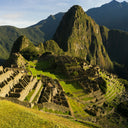
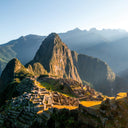
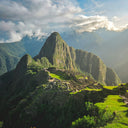


At 4,200 meters above sea level, Humantay Lake sits at the base of Salkantay, one of the most respected apus (sacred mountains) in Andean tradition. The glacial water reflects a turquoise color that shifts throughout the day depending on the light, the season, and the mineral sediment carried down from the mountain. It has become one of the most requested day trips from Cusco — and for good reason. In this guide, we walk you through everything we tell our own travelers before they go: how to get there, when to visit, what the hike really feels like, and how to prepare for the altitude.
Quick Facts
- Distance from Cusco: ~3 hours by road, plus a 1.5–2 hour hike
- Altitude at the lake: 4,200 m / 13,780 ft
- Difficulty: Moderate (steep in sections, high altitude)
- Best season: April – October (dry season)
- Typical tour duration: Full day (departure ~4:30–5:00 AM)
- Entrance fee: Included in most guided tours
Where Is Humantay Lake and How Do We Get There?
Humantay Lake is located in the Soraypampa area, part of the Salkantay mountain range, roughly three hours from Cusco by van. Most tours leave Cusco before sunrise so travelers reach the trailhead while the morning light is still soft and the trail is quieter. From Soraypampa, the hike to the lake covers about 4 kilometers one way, gaining significant elevation along a well-marked but steadily climbing path.
We always recommend arriving with the earliest groups. Not only is the light better for photos, but the trail becomes noticeably more crowded by mid-morning as day-trip vans arrive from Cusco.
What the Hike Feels Like
The trail begins gently, following a wide valley framed by snow-capped peaks, before climbing more directly toward the lake. The final stretch is the most demanding part — a steady uphill push that tests your lungs more than your legs, simply because of the altitude. Most travelers complete the ascent in 1.5 to 2 hours, with several stops to catch their breath and take in the scenery.
The reward at the top is immediate: the trail opens onto the lake itself, framed by glacier and rock, with colors that genuinely surprise most first-time visitors — even those who saw photos beforehand.
Ready to see it for yourself?
We handle the early pickup, transport, and local guide — you just show up ready to hike.
Best Time to Visit Humantay Lake
The dry season, from April to October, offers the clearest skies and the most reliable trail conditions. June through August tend to be the coldest mornings but also the most consistently clear days. The wet season (November to March) brings a real risk of rain, fog, and a muddier trail — the lake is still visible, but the mountain backdrop is often hidden behind clouds.
Altitude and Physical Preparation
Humantay Lake sits higher than Machu Picchu, and the altitude is the main challenge of this hike, not the distance. We recommend spending at least one full day in Cusco (3,400 m) before attempting this trek, staying well hydrated, and avoiding alcohol the night before. Coca tea, a slow and steady pace, and short rest breaks make a noticeable difference. Travelers with respiratory or cardiac conditions should consult a doctor before attempting high-altitude hikes in Peru.
What to Pack
- Warm layers — mornings start well below freezing
- Sun protection: hat, sunglasses, high-SPF sunscreen
- Waterproof or water-resistant hiking shoes
- At least 1.5 liters of water
- Snacks or energy bars
- Cash (small bills) for use of restrooms or local snacks along the route
Humantay Lake vs. Rainbow Mountain
We're often asked whether to choose Humantay Lake or Rainbow Mountain when time is limited. Both sit at similar altitudes and involve comparable hiking effort. Humantay tends to feel more intimate — fewer visitors, a shorter hike, and a dramatic glacial backdrop. Rainbow Mountain draws larger crowds but offers the unmistakable striped mountain landscape you've likely seen in photos. Many travelers with enough time choose to do both on separate days.
Frequently Asked Questions
How difficult is the Humantay Lake hike?
It's considered moderate. The distance is short, but the altitude and the steep final stretch make it more demanding than it looks on paper. Reasonable fitness and a slow pace are enough for most travelers.
Can I do Humantay Lake if I have altitude sickness symptoms?
If you're experiencing symptoms like headache, nausea, or dizziness, we recommend resting in Cusco and postponing the hike. Altitude symptoms typically improve with acclimatization, hydration, and rest.
Do I need a guide to visit Humantay Lake?
It's possible to go independently, but most travelers join a guided tour for the early transport, local knowledge, and support at altitude. We include a local guide on all our Humantay Lake departures.
How cold does it get at Humantay Lake?
Early mornings can drop below 0°C (32°F), especially before sunrise. Temperatures rise once the sun is up, but layers are essential for the start of the hike.
Humantay Lake rewards travelers who are willing to start early and climb steadily through thin mountain air. The turquoise water, the silence of the valley, and the scale of the surrounding peaks are things photos capture only partially — the rest is something you feel once you're standing there.


