

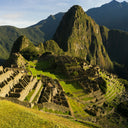
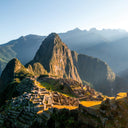
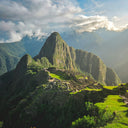


The Inca Trail is the only trekking route that ends by walking directly through the Sun Gate into Machu Picchu on foot — the same approach used by Inca travelers centuries ago. It's also the most regulated trek in Peru: a strict daily permit system, a mandatory guide requirement, and a route that sells out months ahead during high season. If you're weighing whether the Inca Trail is right for your 2026 or 2027 trip, here's what actually matters.
Quick Facts
- Classic route: 4 days / 3 nights, ~42 km
- Highest point: Warmiwañusca ("Dead Woman's Pass"), 4,215 m
- Daily permits: Limited and released in advance — sell out months ahead in high season
- Guide requirement: Mandatory, licensed operator only
- Best season: May – September (dry season)
- Trail closed: Every February for maintenance
Why Permits Are the First Thing to Sort Out
Unlike most treks in the region, the Inca Trail operates under a strict permit system managed by Peru's cultural authorities. A fixed number of permits are released for each date, covering both trekkers and support staff, and they're allocated on a first-come basis through licensed operators — independent trekking isn't permitted on this route. During June, July, and August, permits for popular dates can sell out three to six months in advance. If the Inca Trail specifically (not an alternative trek) matters to you, this is the detail that should drive your booking timeline, not your flights.
What the Classic 4-Day Route Involves
The standard itinerary covers roughly 42 kilometers over four days, starting near Ollantaytambo in the Sacred Valley. The first day is a moderate warm-up along the Urubamba valley. Day two is the hardest: a long, steady climb to Warmiwañusca, the trail's highest point at 4,215 meters, followed by a descent to camp. Day three winds through cloud forest and several well-preserved Inca sites along the way — for many trekkers, this is the most rewarding day of the trek. Day four is short: an early departure to reach the Sun Gate (Inti Punku) around sunrise, with Machu Picchu opening up below as you descend.
How Difficult Is It, Honestly?
The Inca Trail is a genuine trek, not a casual walk — multiple consecutive days of hiking, at altitude, with one demanding high-pass day. It doesn't require technical climbing skill, but it does require reasonable cardiovascular fitness and some acclimatization to altitude beforehand. We recommend at least two to three days in Cusco before starting, ideally including a lower-intensity acclimatization hike. Porters carry camping equipment and shared gear, which meaningfully reduces the physical load compared to a fully self-supported trek.
Thinking about the Inca Trail for 2026 or 2027?
Permits move fast — talk to us early so we can lock in your dates.
Inca Trail vs. Alternative Treks
The Inca Trail's main advantage is the ending: arriving at Machu Picchu on foot through the Sun Gate is genuinely different from arriving by bus. Its main constraint is availability — limited permits mean it isn't always possible to book close to your travel dates. Alternative treks like Salkantay or Lares offer more flexible availability, often more dramatic high-altitude scenery, and typically end the same way most trekkers reach the site regardless: by train and bus into Aguas Calientes, followed by a separate Machu Picchu entry. Neither route is objectively "better" — it depends on what matters most to you and how far ahead you're planning.
What to Pack
- Layered clothing — temperatures swing widely between valley floor and high pass
- Broken-in hiking boots — this is not the trek to try new footwear on
- Rain protection, even in dry season
- Warm layers for camp — nights get cold, especially at higher campsites
- Reusable water bottle or hydration system
- Basic first aid and any personal altitude medication
- Cash (small bills) for tips to porters and guides
Frequently Asked Questions
How far in advance should I book the Inca Trail for 2026 or 2027?
For June–August dates, we recommend booking 4–6 months ahead. Shoulder season dates (April, May, September, October) have somewhat more flexibility, but permits still sell out.
Can I hike the Inca Trail without a guide?
No — current regulations require every trekker to be part of a licensed guided group. Independent trekking on this specific route isn't permitted.
What happens if the Inca Trail is fully booked for my dates?
We recommend Salkantay or another alternative trek, which offer similar multi-day mountain scenery with more availability closer to your travel dates.
Is there a shorter version of the Inca Trail?
A 2-day option exists, covering the final stretch of the trail and arriving at Machu Picchu via the Sun Gate, without the full high-pass crossing of the classic route.
The Inca Trail rewards travelers who plan early more than almost any other trek in Peru. Once the permit is secured, the rest is simply preparation — and the walk through the Sun Gate at sunrise is the kind of arrival that's hard to replicate any other way.


