

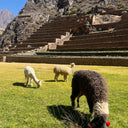


Cusco was the capital of the Inca Empire, and the city still wears that history openly — colonial churches built directly on top of Inca stone foundations, narrow streets that follow layouts laid centuries ago, and a main square that has been the ceremonial heart of the city since long before the Spanish arrived. A Cusco City Tour is usually the first real activity travelers do after landing, and it's as much about acclimatizing to the altitude as it is about sightseeing. Here's what the classic route actually covers, and how to make the most of it.
Quick Facts
- Altitude: 3,400 m / 11,152 ft
- Typical tour duration: Half day (4–5 hours)
- Classic stops: Qorikancha, Cathedral, Sacsayhuamán, Q'enqo, Puka Pukara, Tambomachay
- Best for: Day 1 or 2 in Cusco, before higher-altitude activities
- Walking involved: Light to moderate
- Best season: Year-round (indoor/outdoor mix)
Why We Recommend This as a First Activity
Cusco sits at 3,400 meters, high enough that most travelers arriving from sea level feel some effect — light-headedness, shortness of breath, or fatigue during the first day or two. A city tour is a gentle way to start: it involves walking and standing rather than strenuous hiking, and it gives your body a chance to adjust before tackling Rainbow Mountain, Humantay Lake, or Machu Picchu later in the trip. We generally schedule it for day one or two of a Cusco itinerary for exactly this reason.
Qorikancha: The Temple of the Sun
Qorikancha was once the most important temple in the Inca Empire, dedicated to Inti, the sun god, and reportedly covered in sheets of gold before the Spanish conquest stripped it for melting. What remains today is a striking blend: a colonial church and convent built directly on top of the original Inca stonework, with the precision-cut granite walls still visible beneath and around the Spanish additions. It's one of the clearest physical illustrations of how colonial Cusco was built literally on top of Inca Cusco.
Plaza de Armas and the Cathedral
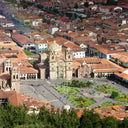
The main square has been the ceremonial and administrative center of the city since Inca times, though almost everything visible today dates from the colonial period onward. The Cusco Cathedral, built over roughly a century starting in the 1550s, holds an extensive collection of colonial-era art, including a well-known depiction of the Last Supper featuring a local twist — guinea pig on the table instead of the traditional meal.
Start your trip the right way
We build in acclimatization time and a knowledgeable local guide for your first day in Cusco.
Sacsayhuamán: Above the City
A short drive or walk uphill from the historic center, Sacsayhuamán is a massive Inca fortress-temple complex built from stones so large and precisely fitted that they've withstood earthquakes that damaged much of colonial Cusco below. The zigzagging walls and sweeping views over the city make it one of the most photographed stops on the route, and it's also where many local festivals and reenactments still take place today.
Q'enqo, Puka Pukara, and Tambomachay
The rest of the classic route typically includes three smaller sites: Q'enqo, a carved rock formation believed to have been used for ceremonial purposes; Puka Pukara, a compact fortress-like structure with commanding views of the valley; and Tambomachay, sometimes called the "Bath of the Inca," an elegant complex of water channels and terraces still fed by a natural spring today. Each is a short stop, but together they round out a picture of how the Inca integrated architecture, water management, and ceremony into the landscape around their capital.
What to Wear and Bring
- Comfortable walking shoes — some uneven, cobblestone terrain
- Layers — mornings are cool, afternoons can be sunny and warm
- Sun protection: hat and sunscreen, even on cloudy days
- Water and any altitude medication you've been advised to bring
- Cash (small bills) for entrance to certain sites or local snacks
Frequently Asked Questions
Do I need the Boleto Turístico for this tour?
Most of the classic city tour sites require the Cusco Tourist Ticket (Boleto Turístico), which we include or help arrange as part of the tour.
Is this tour suitable on my first day after arriving?
Yes — it's one of the gentlest ways to start acclimatizing, though we recommend resting for a few hours after landing before heading out.
How much walking is involved?
Light to moderate. Most sites involve short walks on uneven or cobblestone ground, with some stairs at Sacsayhuamán, but nothing comparable to a full trek.
Can this tour be combined with the Sacred Valley?
They're usually done as separate half-day tours, but we can combine or sequence them depending on your itinerary and available days in Cusco.
The Cusco City Tour is less a single attraction and more an introduction — to the altitude, to the layered history of the city, and to the pace the rest of your trip will likely follow. It's a good place to start.


